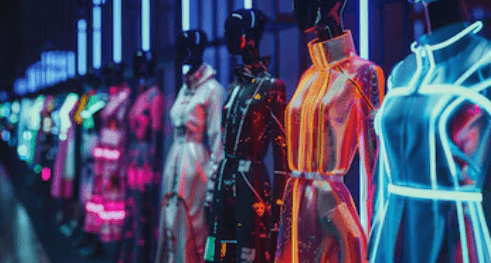
Technology is reshaping how garments are imagined and produced. Data streams shape design choices, fit verification, and material behavior. Digital twins test prototypes before cutting fabric. Wearables and smart fabrics blur lines between product and interface. The resulting stack—from provenance to CAD to analytics—promises personalization at scale and improved sustainability. Yet questions remain about cost, ethics, and cultural meaning, inviting a closer look at what comes next.
How Technology Is Redefining Fashion Innovation
Technology is reshaping fashion by enabling rapid prototyping, personalized fit, and data-informed design decisions. A curious, data-driven stance evaluates how sensors, algorithms, and digital twins reveal patterns in consumer preferences, fabric behavior, and production constraints. The field advances toward data driven aesthetics and robotic tailoring, where systematically tested iterations align style with function while preserving creative freedom for designers and wearers alike.
From Data to Garment: The Tech Stack Behind Modern Design
By tracing the flow from sensor inputs and digital models to finished apparel, the paragraph maps how data pipelines, software tools, and hardware integrate to translate insight into fabric, fit, and form.
The tech stack emphasizes data provenance and material sourcing, ensuring traceability from loom to label.
Designers analyze prototypes with analytics, parametric models, and CAD, aligning creativity with measurable feasibility and freedom.
Applications That Are Changing How We Wear: Smart Fabrics, 3D Design, and Customization
What if fabrics could sense and respond to the wearer? The study of applications reveals smart fabrics integrating sensors, fibers, and electronics to adapt performance and comfort.
3d design trends enable complex, functional forms, while customization futures unlock individualized fit and aesthetics.
Wearable materials innovation accelerates material science, translating data into wearables that merge efficiency, freedom, and expressive potential without sacrificing practicality.
Ethical, Environmental, and Cultural Implications of Tech-Forward Fashion
The rapid integration of technology into fashion prompts a critical assessment of its ethical, environmental, and cultural repercussions.
Data suggests transparent supply chains and fair labor practices matter alongside innovation.
Ethical sourcing emerges as a core standard, while the circular economy model guides material reuse and waste reduction.
Societal impact, consumer autonomy, and preservation of cultural expression demand ongoing, balanced scrutiny.
See also: How to Avoid Misinformation in Crypto
Frequently Asked Questions
How Do Wearables Impact Daily Wardrobe Decisions Long-Term?
Wearables shape long-term daily decision making by informing a wearable wardrobe that adapts with data insights, optimizing outfit clarity, comfort, and versatility, while empowering individuals to experiment, balance function and freedom, and refine taste through measurable trends.
Can Technology Reduce Fashion Industry Water Usage Effectively?
Can technology reduce fashion industry water usage effectively? The analysis notes potential, yet quantifies with curiosity: tech enabled water savings depend on scalable processes, and circular design metrics guide adoption, measuring efficiency, reuse, and outcomes for a freedom-seeking audience.
What Skills Will Future Fashion Technologists Need Most?
Future fashion technologists will prioritize interdisciplinary literacy, blending material science with data analytics. They will emphasize technology ethics and scalable prototyping, cultivating curious, data-driven mindsets that respect freedom of expression while advancing sustainable, inclusive innovation.
How Does Tech Affect Garment Durability and Repairability?
Hyperbole: Tech makes garments unbelievably resilient, yet questions persist. The analysis shows durability testing and repairability metrics shape wear-life, guiding designers toward modular fabrics, repair-friendly seams, and transparent performance data for a freedom-loving, data-driven audience.
Will AI Design Replace Traditional Fashion Roles Entirely?
AI assisted design will not entirely replace traditional fashion roles; it augments them. The analysis shows humans remain essential for interpretation and ethics, while automated patternmaking accelerates workflows, enabling designers to experiment within broader creative freedom.
Conclusion
Technology-driven fashion blends data, design, and material science to accelerate iteration and personalization. Digital twins, sensors, and CAD enable precise fit, sustainable sourcing, and responsive aesthetics, while rapid prototyping shortens cycles from concept to garment. Yet ethical, environmental, and cultural considerations remain essential in guiding responsible innovation. How might designers balance expressive freedom with measurable feasibility as wearables and smart fabrics scale across diverse communities? The answer lies in transparent data provenance, inclusive testing, and principled collaboration.